

Good new asphalt driveway care in the first twelve months does more to decide how long your driveway lasts than almost anything we do on paving day. We pave residential driveways across Springfield all season, and the difference between one that still looks tight and black in five years and one that ravels at the edges usually comes down to what the homeowner did (or did not do) during that first year while the asphalt was still young and soft. This is the exact aftercare sheet we hand every customer when we pull the equipment off the job, written out with the reasons behind each rule so you know what you are protecting and why.
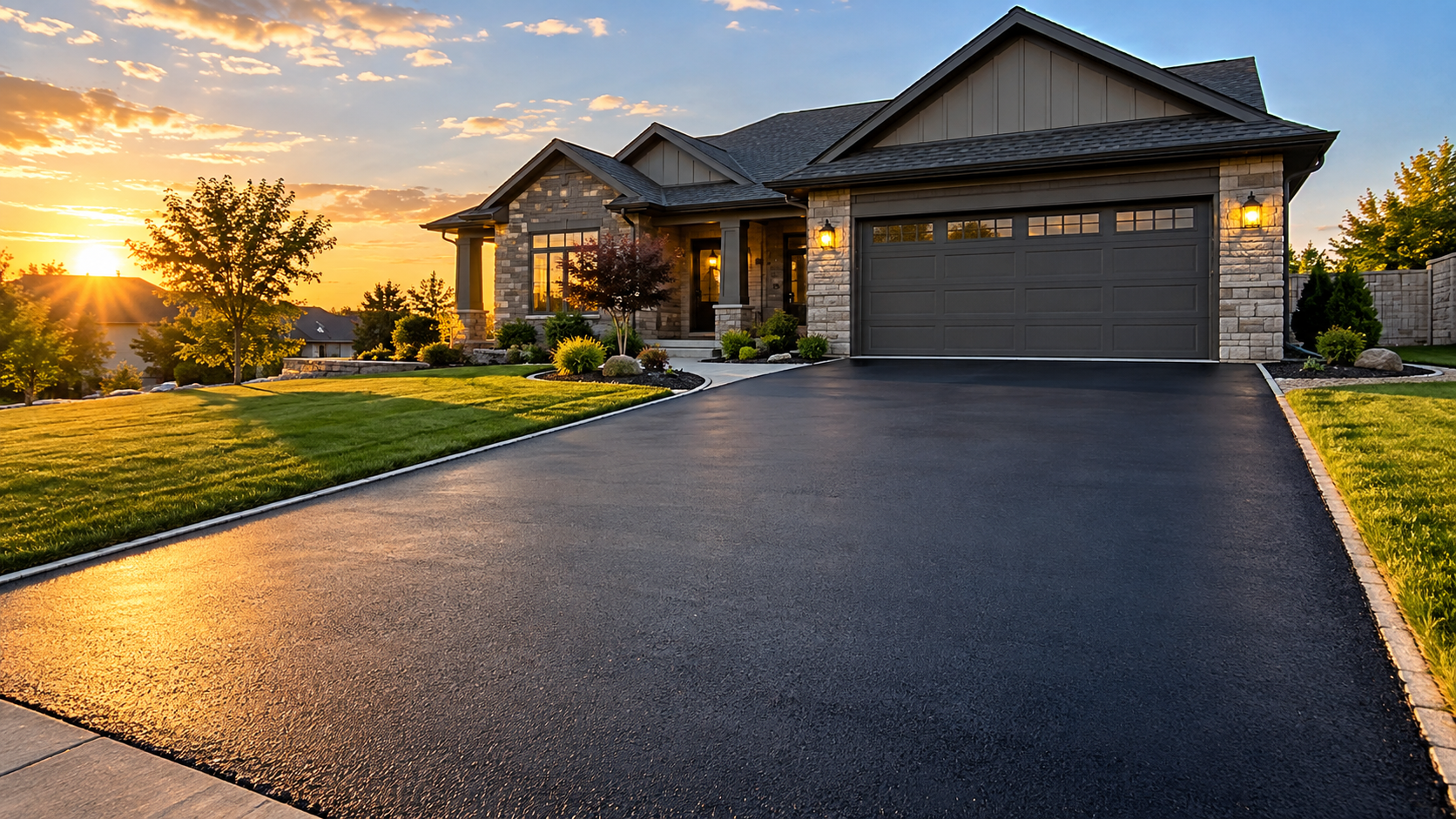
Why does new asphalt driveway care matter so much in the first year?
Fresh asphalt is not fully cured the day we finish. It is compacted and ready to use quickly, but the binder that holds the surface together keeps hardening and off-gassing for six to twelve months. During that window the pavement is more flexible and more easily marked than it will ever be again. That flexibility is normal and even useful, but it means a car parked in one spot on a hot afternoon, a motorcycle kickstand, or a sharp turn of the wheels while stopped can all leave marks that would never register on aged asphalt. Understanding that curing timeline is the whole foundation of new asphalt driveway care, because every do and don’t below flows from it.
The Asphalt Institute describes hot-mix asphalt as gaining strength as it cools and continues to cure over an extended period, which lines up with exactly what we see in the field. The good news is that the rules are simple and temporary. Get through the first year with a little care and your driveway settles into a durable surface that needs very little from you after that.
How long before you can drive and park on a new driveway?
The most common question we get on handoff is simply when the driveway is safe to use. Here is the timeline we give homeowners for a typical Springfield residential job. Hot weather stretches these windows, cool weather shortens them.
| Time after paving | What is safe | What to still avoid |
|---|---|---|
| First 24-48 hours | Foot traffic once cool to the touch | Any vehicles, sharp turns, parking |
| 3-5 days | Normal passenger cars driving in and out | Parking in the same spot, heavy loads |
| 2-4 weeks | Routine daily parking | Campers, dumpsters, heavy trucks left sitting |
| 6-12 months | Full normal use | Nothing special; ready for first sealcoat near the end |
These are guidelines, not guarantees, because temperature drives everything. A 95 degree Springfield afternoon keeps the surface soft far longer than a mild fall day. When in doubt, press a thumb into an out-of-the-way edge: if it still gives easily, give it more time before parking.
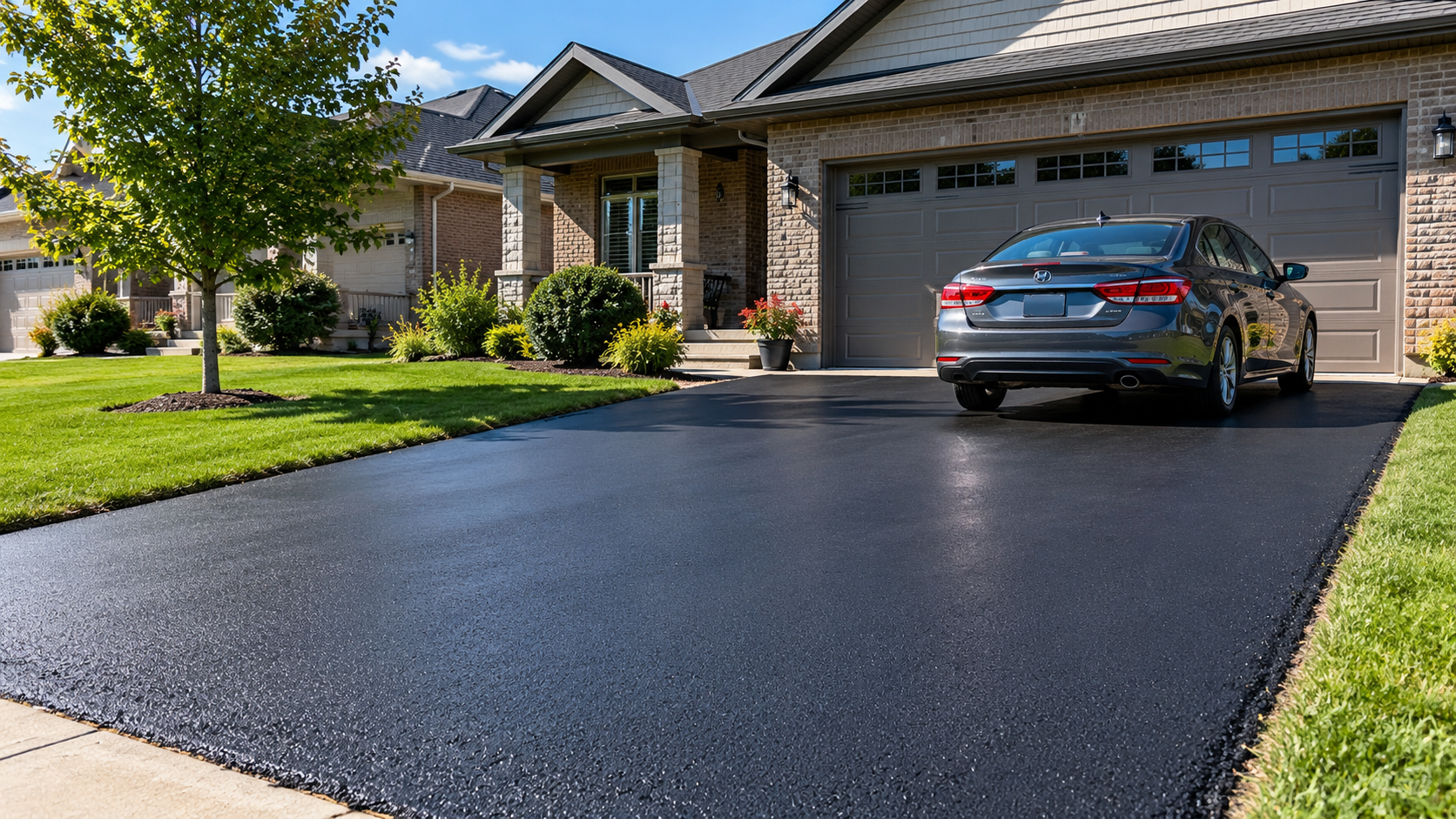
What are the first-year do’s and don’ts?
This is the core of the aftercare sheet. None of it is difficult, and all of it is temporary. Following these points protects the investment while the surface finishes curing.
- Do wait before you park. Keep vehicles off for the first three to five days, and once you do park, do not leave a car in the exact same spot every day for the first few weeks.
- Do turn your wheels while rolling, not while stopped. Power-steering scuffing is the number one first-summer complaint we hear. Turning the wheel while the car is stationary twists the soft surface and leaves marks.
- Do use a board under kickstands and jack stands. Motorcycle kickstands, trailer jacks, and even bike stands concentrate weight to a tiny point and will punch into warm asphalt. A scrap of plywood spreads the load.
- Don’t park heavy vehicles on it. Loaded moving trucks, RVs, dumpsters, and delivery trucks can depress fresh asphalt. Keep them off for at least the first month.
- Don’t let fuel, oil, or solvents sit. Gasoline, motor oil, and paint thinner dissolve asphalt binder. Clean spills quickly and keep the lawnmower fueling on the grass.
- Don’t panic over minor scuffs or a little softness. Early marks in the first hot months often self-heal as traffic and sun re-knit the surface. Real damage is rare when the base was built right.
If you ever do see something that worries you, an edge crumbling or a low spot holding water, call us before it spreads. Small issues on a new driveway are quick fixes, and our asphalt repair and patching crew would rather look at it early than after a winter of freeze-thaw.
How do you protect new asphalt on hot Springfield days?
Summer heat is the biggest first-year variable in Missouri. On a genuinely hot day the surface temperature of black asphalt can climb well past the air temperature, and that is when new pavement is softest. A few habits carry you through the first hot season:
- Avoid parking in the same footprint during a heat wave; rotate where the tires sit.
- Keep bike, motorcycle, and trailer stands on a board or pad.
- Do not drag heavy objects or use a snow shovel edge-first across the surface.
- If you want to cool a scorching driveway before parking, a light spray of water from the hose is fine and will not hurt cured asphalt.
This is also why the season we pave in matters. A driveway laid in spring or early summer has months of warm curing before its first winter, which is part of the reasoning behind our asphalt paving scheduling advice. Heat is the enemy in month one, but heat is also what helps the surface finish curing strong.
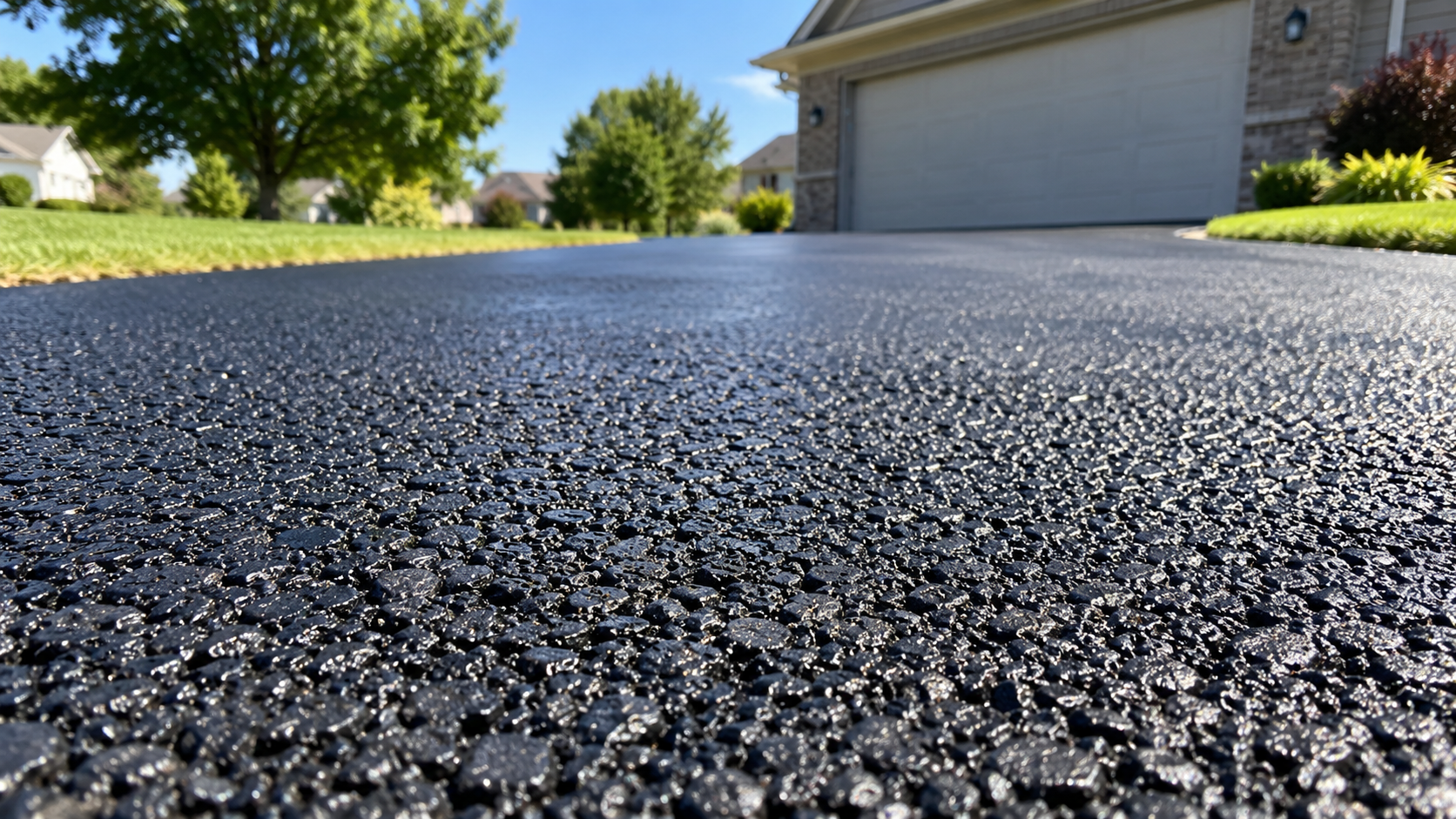
When should you sealcoat a new asphalt driveway?
Sealcoating is the last step of first-year care, and timing it wrong is a common mistake. New asphalt needs to breathe and cure before you seal it, so do not let anyone talk you into sealcoating a driveway the same season it was paved. Sealing too early traps the curing oils and can leave a soft, tacky surface. We tell homeowners to wait somewhere between six and twelve months, then apply the first coat once the pavement has weathered to a lighter gray and any surface oils have burned off.
After that first application, a two to three year cadence keeps the surface protected from UV and water without over-sealing. When you are ready, our driveway sealcoating team can tell you on a quick look whether the driveway has cured enough to take a coat. Getting that first sealcoat right locks in years of the deep black finish a new driveway starts with.
What is the simple version of the first-year plan?
If you remember nothing else, remember this: be patient with parking, spread out point loads, keep chemicals and heavy trucks off, and hold the first sealcoat until the driveway has cured through a season. That is the whole of good new asphalt driveway care in one breath. Do those few things and a properly built driveway rewards you with a decade or more of clean, black, trouble-free service.
Frequently Asked Questions
How soon can I drive on my new asphalt driveway?
Most passenger cars can drive on a new driveway after three to five days, though foot traffic is fine once the surface is cool. In hot Springfield weather we lean toward the longer end because heat keeps the asphalt soft. Avoid parking in one fixed spot for the first couple of weeks.
Why does my new driveway have scuff marks and small dents already?
Early scuffs from power-steering turns, kickstands, or high heels are normal on fresh asphalt because the surface is still soft and flexible. Most minor marks re-knit over time as traffic and sun work the surface. Spreading point loads and turning your wheels while rolling prevents the deeper ones.
When can I sealcoat a brand new asphalt driveway?
Wait six to twelve months before the first sealcoat. New asphalt has to cure and release its surface oils first, and sealing too soon traps them and leaves a tacky finish. After the first coat, resealing every two to three years is the right cadence for most Springfield driveways.
Can I park heavy vehicles or an RV on new asphalt?
Not in the first month. Loaded trucks, RVs, campers, and dumpsters concentrate a lot of weight and can depress fresh asphalt while it is still curing. Keep them off as long as you can, and always put a wide board under any jack or stand that carries a point load.
Will hot weather ruin my new driveway?
No, but it does make the surface softer during the first year, so it needs a little more care in a heat wave. Rotate where you park, keep stands on a board, and avoid dragging heavy objects across it. Cured asphalt handles Missouri summers fine; it is only the first season that calls for caution.
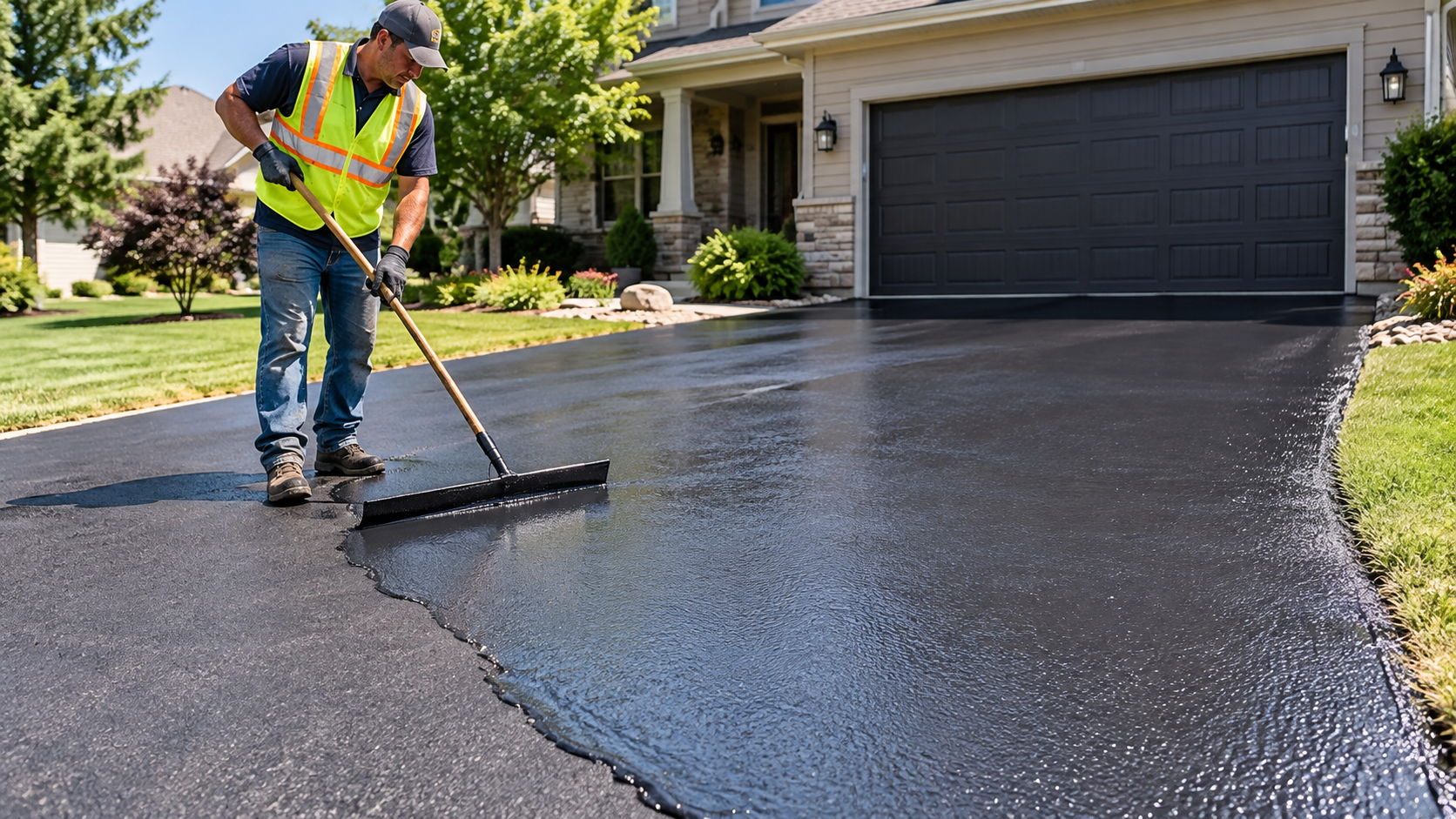
Get a Free Written Estimate
Thinking about a new driveway, or want a straight answer on when yours is ready for its first sealcoat? We will walk the pavement, give you honest timing, and put real numbers in writing so there are no surprises.
Asphalt Pavers LLC, 434 S Belcrest Ave, Springfield, MO 65802
(417) 319-2693 · Mon-Sat 8:00 AM-5:00 PM
View us on Google Maps
Reviewed by the owner – September 25, 2026