

Speed bump installation cost is usually the first question we get when a property manager, school facilities director, or HOA board calls us about slowing down traffic, and the honest answer is that it depends on a handful of specifics we can walk through with you. A single asphalt speed bump on an existing lot runs differently than a rubber bolt-down unit or a full speed hump poured across a wide drive lane, and the right choice depends on how fast traffic is moving, who is driving it, and what your approval body will sign off on. This guide lays out the real options, the specs we build to, the striping and signage that has to go with them, and what actually moves the number on an estimate.
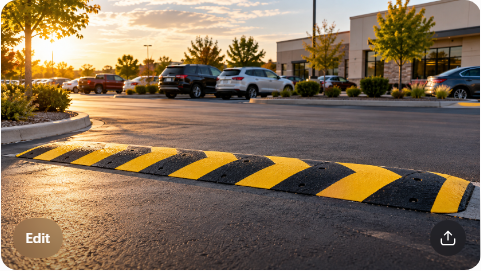
What does speed bump installation cost in Springfield?
Speed bump installation cost in Springfield depends mostly on the type of device, the material, and how many you install in one visit. Mobilizing a crew and equipment for a single bump costs more per unit than doing a row of them on the same trip, which is why most parking lot speed bumps get installed in sets. The ranges below reflect what we see on typical local jobs; the only way to get a firm figure is a written estimate after we look at the lot, because surface condition, access, and traffic control all factor in.
| Type | Typical install range | Best for |
|---|---|---|
| Rubber bolt-down speed bump | Lower upfront, per unit | Removable needs, temporary or seasonal use |
| Asphalt speed bump | Mid-range, per unit (less per unit in sets) | Permanent parking lots, matching existing paving |
| Asphalt speed hump (wider) | Highest, more material and width | Drive lanes where you want gentler slowing |
| Striping and signage | Added per device | Required on every install for visibility and code |
A few things push the asphalt speed bump cost up or down. A lot that needs patching or a tack coat before we form the bump adds labor. Installing after hours so a business stays open adds a premium for the night crew. And quantity cuts the per-unit price because the fixed cost of getting equipment on site is spread across more work. When we price traffic calming for a speed bump installation, we break those pieces out so you can see exactly what you are paying for.
Speed bump vs speed hump: what is the difference?
People use the terms interchangeably, but they are not the same device, and picking the wrong one is the most common mistake we fix. The difference is all in the height and the taper, and that geometry decides how hard a vehicle gets slowed.
- Speed bump. Short and abrupt, typically three to four inches tall over a narrow one to three foot travel distance. It forces drivers down to around 2 to 5 mph and is the right tool for parking lots, loading areas, and anywhere you need an aggressive stop in cars.
- Speed hump. Wider and gentler, usually three to four inches tall but stretched over ten to fourteen feet of travel. It slows traffic to roughly 15 to 20 mph without the sharp jolt, which makes it better for drive lanes, HOA through-streets, and routes that fire trucks or buses use.
- Speed table. A flat-topped version long enough that a crosswalk can sit on top, common at schools where you want pedestrians elevated into view.
The Institute of Transportation Engineers publishes traffic calming guidance that treats bumps, humps, and tables as distinct tools for distinct speed targets, and we design to those same height and taper principles. When an HOA tells us they want to slow cut-through traffic but their board is worried about rattling residents and emergency vehicles, we almost always steer them toward humps rather than bumps for exactly that reason.
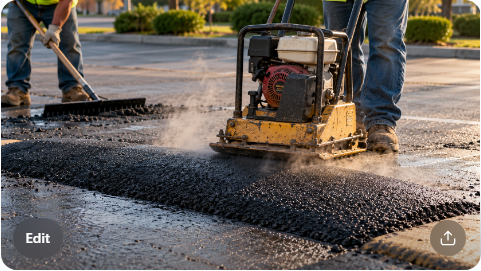
What are parking lot speed bumps made of?
The two materials we install most are hot-mix asphalt and bolt-down rubber, and each has a clear use case. Asphalt bumps are formed and compacted right onto the pavement, so they bond as part of the lot, match the surface, and hold up for years under weather and plows when they are built and sealed correctly. They are the permanent choice and the one most property owners want when the lot itself is in good shape.
Rubber speed bumps bolt down to the existing surface and can be removed or relocated, which makes them a fit for temporary needs, leased sites, or spots where you want to try a location before committing. They cost less per unit to place but can work loose over time and need their hardware checked. For a permanent install on a lot you own, asphalt is almost always the better long-term value; for flexibility, rubber earns its place. We will tell you honestly which one fits your situation instead of defaulting to the bigger job.
Striping and signage: the part people forget
A speed bump nobody sees is a liability, not a safety feature. Every device we install gets high-visibility markings, and most jurisdictions and insurers expect it. Our standard package includes painting the bump or hump in a contrasting color, usually yellow or alternating yellow and black chevrons, plus advance pavement markings and a warning sign so drivers have time to react. For schools and larger lots we tie the markings into the broader line marking plan so the traffic calming reads clearly alongside the stalls, arrows, and crosswalks. Good striping is also what keeps a bump from becoming a trip-and-fall or vehicle-damage claim, so we never treat it as optional.

Getting HOA and school approval before you install
On HOA and institutional jobs, the approval process matters as much as the construction. We have been through enough board meetings to know the questions that come up, and getting ahead of them saves everyone a second vote. Boards worry about emergency vehicle access, resident complaints about noise, liability, and whether the device will actually solve the speeding problem or just move it. We help by recommending the right device for the speed target, documenting the height and taper specs, and placing bumps where they calm traffic without blocking fire lanes or trash routes.
For schools, the drivers are drop-off congestion and pedestrian safety, so speed tables with crosswalks on top often win over plain bumps. For HOAs on through-streets, humps usually clear the board more easily than bumps because they slow traffic without the jarring impact that generates complaints. Whatever the setting, bringing a clear written scope and spec sheet to the decision makers is half the battle, and we build our estimates so they can be handed straight to a board. If you want to talk options before you bring it to a vote, reach out through our contact page and we will walk your site.
Frequently Asked Questions
What is the average speed bump installation cost for a parking lot?
It varies by material and quantity, so we give firm numbers only after seeing the lot. Rubber bolt-down units are lowest upfront, asphalt bumps sit in the middle and get cheaper per unit when you install several at once, and wider speed humps cost the most because of the added material and width. Striping and signage are added per device. A written estimate is the only way to get a real figure for your site.
How tall is a standard speed bump?
A speed bump is usually three to four inches tall over a short one to three foot travel distance, which forces vehicles down to roughly 2 to 5 mph. A speed hump is the same height but stretched over ten to fourteen feet, slowing traffic to about 15 to 20 mph with a gentler feel. The height and taper are what set the target speed.
Do speed bumps need to be striped and marked?
Yes. Every bump or hump we install gets high-visibility paint, advance markings, and a warning sign. Beyond being expected by most jurisdictions and insurers, visible markings are what keep a speed bump from becoming a liability. We include striping and signage as part of every install rather than treating it as an add-on you have to remember.
Can you install speed bumps without closing our business?
In most cases, yes. We schedule around your hours, often working sections after hours or on weekends so traffic keeps flowing. Asphalt bumps do need a short cure window before vehicles drive over them, so we plan placement and timing to keep at least part of the lot usable. Night and weekend work carries a scheduling premium, which we spell out in the estimate.
Are speed humps better than speed bumps for an HOA street?
Usually, yes. Humps slow traffic to 15 to 20 mph without the sharp jolt of a bump, which means fewer resident complaints and easier passage for fire trucks and buses. Bumps are better suited to parking lots where you want an aggressive stop. For a residential through-street, we typically recommend humps and help you present the specs to your board.

Get a Free Written Estimate
Ready to slow down traffic on your lot, street, or school drive? We will look at your site, recommend the right bump, hump, or table for the speed you need, and put honest numbers in writing, including the striping and signage. Bring our scope straight to your board or facilities team.
Asphalt Pavers LLC, 434 S Belcrest Ave, Springfield, MO 65802
(417) 319-2693 · Mon-Sat 8:00 AM-5:00 PM
View us on Google Maps
Reviewed by the owner – October 2, 2026